
If you want to take control of your health, learning how to read supplement labels is the most important skill you can have.
Walking down the supplement aisle—or scrolling through Amazon—is an exercise in marketing. Bright colors, bold claims like “Super Strength” or “Doctor Recommended,” and flashy “Before and After” photos are designed to grab your attention.
But as a health researcher, I’ve learned that the front of the bottle is for marketing; the back of the bottle is for the truth.
To ensure your wellness journey is safe and effective, you need to look past the “hero claims” and understand the “Supplement Facts.” Drawing on my background in Nutrition Science from Stanford and Health Literacy training from the CDC, I’ve created this guide to show you how to read supplement labels like a professional researcher.”
Affiliate Disclosure: As an Amazon Associate, I earn from qualifying purchases. This post contains affiliate links, which means I may receive a small commission at no additional cost to you if you make a purchase through these links. Thank you for supporting my 100% original content!
Medical Disclaimer: I am not a doctor or a licensed medical professional. All content on this website is for informational and educational purposes only and is not intended as medical advice, diagnosis, or treatment. Always seek the advice of your physician or other qualified health provider before starting any new supplement, diet, or exercise program. Never disregard professional medical advice or delay seeking it because of something you have read on this site.
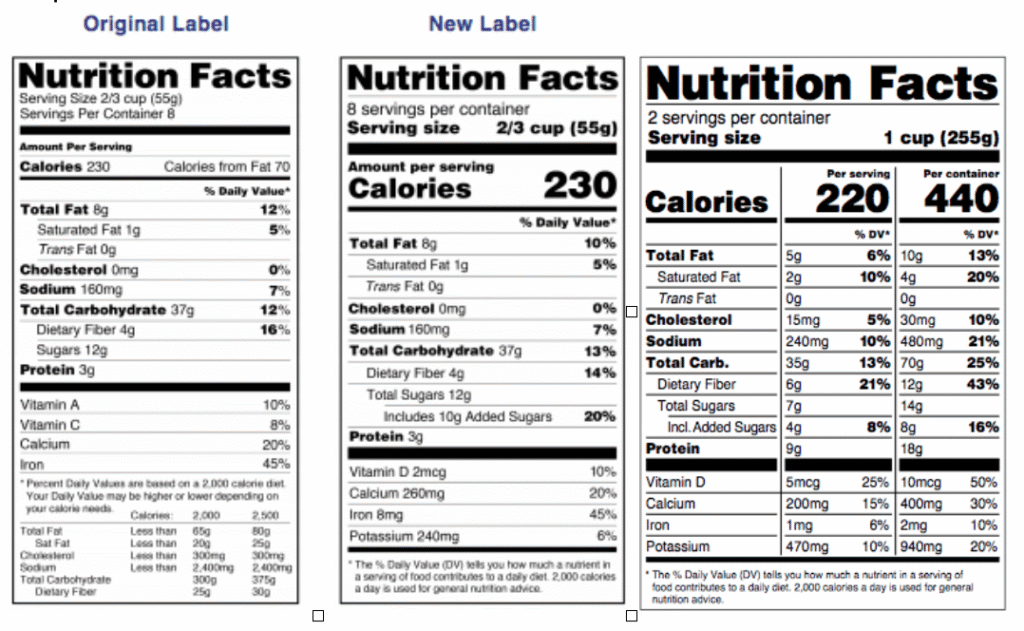
1. The “Serving Size” Trap
The biggest mistake consumers make is assuming one bottle equals 30 days of health.
When you see “1,000mg” on the front of a bottle, you must immediately check the Serving Size on the back. Often, that 1,000mg requires taking four or five large capsules.
- The Pro Tip: Always calculate the “Cost Per Serving,” not the “Cost Per Bottle.” If a bottle has 60 capsules but a serving size is 3 capsules, you only have a 20-day supply. This is a common tactic used to make expensive supplements look cheaper.
2. De-Coding the “Supplement Facts” Panel
The FDA regulates the layout of this panel, but they don’t “approve” the contents. Here is what you need to scrutinize:
% Daily Value (% DV)
This tells you how much of a nutrient one serving contributes to a 2,000-calorie diet.
- The Nuance: More is not always better. For water-soluble vitamins (like B12 or Vitamin C), your body usually flushes out the excess. However, for fat-soluble vitamins (A, D, E, and K), extremely high percentages (e.g., 5,000% DV) can lead to toxicity over time because they are stored in your body’s fat tissues.
Proprietary Blends: The “Black Box” of Ingredients
If you see the words “Proprietary Blend,” “Performance Matrix,” or “Complex,” proceed with caution. By law, companies must list the total weight of the blend, but they do not have to list the weight of each individual ingredient within it. You might think you’re getting a lot of a premium ingredient like Turmeric, but it could be 99% cheap caffeine or ginger filler.
3. Active vs. Inactive: What’s Really in the Pill?
Every supplement has two parts: the “Active” ingredients that provide the benefit, and the “Other Ingredients” used to make the pill.
The Role of Fillers and Flow Agents
“Other Ingredients” aren’t always bad, but they should be minimal.
- Magnesium Stearate & Silicon Dioxide: These are “flow agents” used to keep the powders from sticking to the manufacturing machines. In tiny amounts, they are generally recognized as safe, but premium brands often find ways to avoid them to ensure maximum absorption.
- Artificial Colors: Why is your B-vitamin neon green? Often, it’s FD&C Yellow No. 6 or Red 40. These provide zero health benefits and can be a sensitivity trigger for many people.
- Titanium Dioxide: Often used to make capsules look bright white. Recent research and European safety regulations have raised concerns about its long-term impact on gut health.
Even common additives can be problematic. Research from the American College of Healthcare Sciences highlights that ingredients like artificial colors and certain flow agents may cover up degraded active ingredients. For more information,mation check out their article at https://achs.edu/blog/dangerous-supplement-ingredients/
4. Bioavailability
Ingestion does not equal absorption.
Your body recognizes different chemical forms of minerals differently. For example:
- Magnesium Oxide: Very cheap, but only has an absorption rate of about 4%. It often acts more like a laxative than a health supplement.
- Magnesium Glycinate: Bound to an amino acid, this form is highly “bioavailable,” meaning your body can actually use it for sleep and muscle recovery.
The Lesson: If the label doesn’t specify the form of the mineral (e.g., it just says “Zinc” instead of “Zinc Picolinate”), it’s likely the cheapest, least absorbable version.
5. The “Trust Stamps”: Third-Party Verification
Another key factor in how to read supplement labels is checking for third-party seals. Because the supplement industry is “post-market regulated” (meaning the FDA usually only steps in after someone gets sick), you need an independent referee. Look for these three seals on the bottle:
- USP (U.S. Pharmacopeia): This verifies that the product actually contains the ingredients listed on the label and will break down properly in your digestive tract.
- NSF International: Often used for sports supplements, this ensures the product is free of banned substances and contaminants.
- ConsumerLab: An independent group that “blind tests” products from store shelves to see if they live up to their claims.
To learn more about the FDA and its role, check out their article here https://www.fda.gov/consumers/consumer-updates/fda-101-dietary-supplements
Final Checklist
Before you click “Add to Cart” on that next order, run this 3-step check:
- Is the “Serving Size” realistic for my lifestyle?
- Does it hide behind a “Proprietary Blend”?
- Is the mineral form “Bioavailable” (e.g., Citrate, Malate, or Glycinate vs. Oxide)?
My mission is to ensure you spend your money on results, not expensive labels. By understanding these few basics, you are already ahead of the average consumer.
If you found the science behind this interesting, you’ll love our deep dive into How to Build a Supplement Stack Based on Your Fitness Goals to see how it fits into your daily routine.”
Author: Founder Joe Joe is a professional health researcher and Google Certified E-commerce specialist. Combining nutritional science insights from Stanford with CDC health literacy standards, he decodes complex supplement labels to help consumers avoid marketing traps. As a dedicated Amazon and ClickBank affiliate, Joe focuses on product transparency and ingredient purity.